September 9, 2026
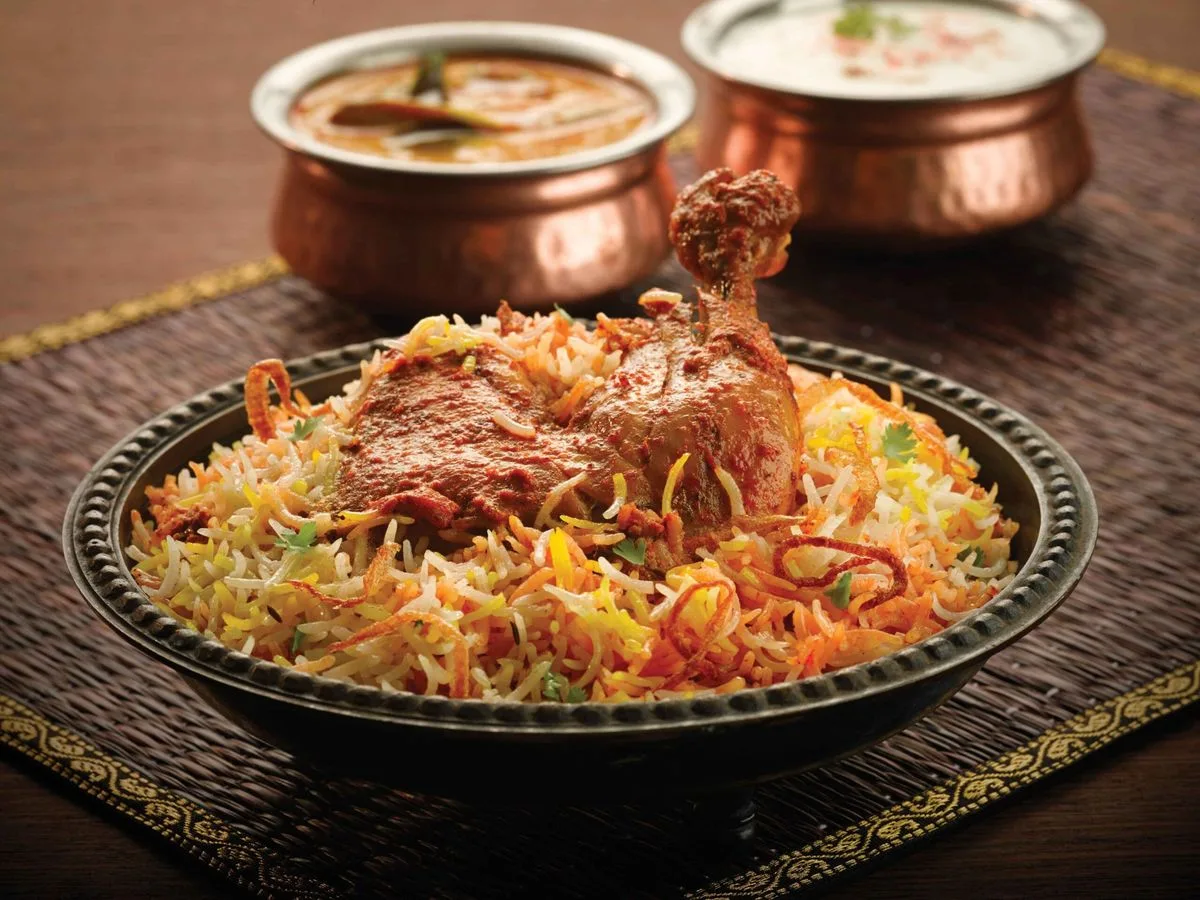
Most people searching for Chicken Biryani East Windsor already know they want chicken biryani. The harder part is figuring out which version to order once they see the menu, since a single restaurant can list ten or more variations that all fall under the same dish name. Bone in or boneless, mild or tangy, gravy based or grilled, the differences are not always obvious from the item name alone, and picking the wrong one for your taste is a common way to walk away disappointed from an otherwise good dish.
This guide is built around that decision, not the dish's backstory. Hyderabad Biryani House lists several chicken biryani styles, and the goal here is to make it easy to match one to what you actually want to eat.
A single restaurant can list ten or more versions of chicken biryani because the dish changes based on three independent factors, the cut of chicken used, the cooking method, and the flavor base, and each of those can be mixed and matched. A bone in cut can be prepared in a traditional gravy style or a tangy pickle style, and a boneless cut can be grilled first or cooked directly with the rice, which is why the menu ends up with so many named variations rather than one generic entry.
Bone in chicken biryani, used in the traditional Hyderabad chicken dum biryani and the chicken joint biryani, holds more flavor because the bone releases additional richness into the rice during the slow, sealed dum cooking process. The tradeoff is that it takes more effort to eat and is less convenient for a quick meal or takeout. Boneless versions, including the special boneless chicken biryani and most of the tangy or grilled options, are faster to eat and generally the better pick if you are ordering for takeout, a work lunch, or anyone who prefers not to deal with bones at the table.
Most chicken biryani on this menu is dum cooked, meaning marinated or partially cooked chicken is layered with rice in a sealed pot and finished together over low heat, producing separated, fragrant grains with visible layers of color. The chicken tikka biryani works differently, the chicken is grilled first for a smoky char, then layered into the rice afterward, which gives it a firmer texture and a different flavor direction than the gravy based versions. If you enjoy tandoori or grilled dishes generally, tikka biryani is the closer match on this menu.
The chicken biryani options range fairly widely in intensity, which is useful to know before ordering rather than discovering it after the food arrives.
For a milder, traditional order: the Hyderabad chicken dum biryani bone in or the special boneless chicken biryani sit at a moderate spice level without added tang, making them the closest thing to a default option.
For extra heat without added sourness: the green mirchi chicken biryani uses fresh green chilies for a sharper, more direct heat rather than a slow building spice blend.
For heat plus tang together: the avakai biryani chicken, made with raw mango pickle spice, and the gongura biryani chicken, made with sorrel leaves, both bring a sour, tangy edge alongside the heat and are worth trying once you know you like that flavor combination.
For a smoky, milder alternative: the chicken tikka biryani is a reasonable choice for someone who wants flavor and char without committing to a spicier gravy based dish.
A full list with current pricing for each of these is available on HBB's indian restaurant menu.
A single biryani order, whether single or family sized, is portioned and sealed on its own, which makes it easy to scale for different group sizes without needing separate side dishes. For a solo meal, a single portion of any style works as a complete meal on its own. For a family or shared table, ordering two different styles, for example one traditional bone in version and one tangy option like gongura or avakai, gives variety without anyone having to compromise on their preferred spice level. For larger groups or events, family sized portions of the more traditional dum biryani styles tend to hold up best over time compared to the grilled tikka version, which is better enjoyed shortly after it is prepared.
Chicken biryani is available both for dine in and for takeout, separate from the weekday lunch thali, which is dine in only. If you are deciding between styles for pickup specifically, the boneless and tikka options tend to travel slightly better than bone in versions, since bone in cuts benefit from being eaten fresh out of the sealed pot while the steam and aroma are still intact.
Choosing the right chicken biryani in East Windsor comes down to matching the cut, cooking method, and spice level to what you actually want on a given visit, rather than defaulting to whichever version is listed first. Anyone unsure which style fits a specific order, or planning ahead for a group, can get in touch with Hyderabad Biryani House directly.
The Hyderabad chicken dum biryani, served bone in, is the most traditional option on the menu, cooked using the classic sealed pot dum method without added pickle tang or extra chili heat.